

Diets for health conditions
Let food be your medicine and your medicine be your food.
DIETS FOR HEALTH CONDITIONS
HOW DO I LOSE WEIGHT, HOW DO I GET THIN, WHICH DIET WORKS… That seems to be the general perception of nutrition and lifestyle. But nutrition means much more than that. Nutrition is, first and foremost, the way you take care of yourself and of your body's needs.
What do I do if I have diabetes and need to manage my blood sugar? What do I do if I have thyroiditis, always feel tired, eat little and still gain weight? What do I do if I have irritable bowel and everything I eat causes me discomfort? What do I do if I always feel bloated, I'm constipated, I have reflux, heartburn, I have... I have... I have...?
These are questions whose answer can't be whatever diet is in fashion. That's why, when there is a health condition, with symptoms that invade and erode your quality of life, the answer can't be a weight-loss plan.
-
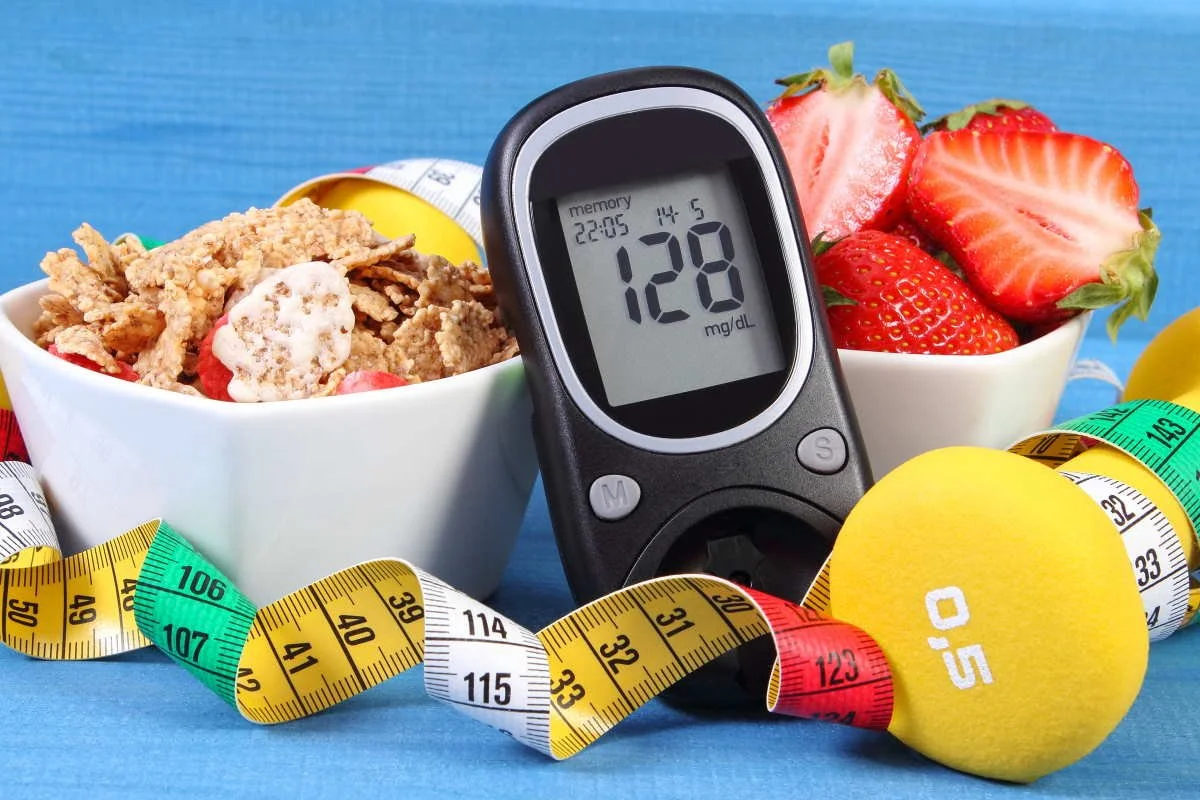
Diabetes diet
Because diabetes is a chronic condition in which the effects of a well-balanced nutrition plan can be seen almost immediately. Managing diabetes needs 3 essential factors: appropriate medication, where needed; identifying the dietary plan needed to manage carbohydrates, and more; and appropriate physical activity.
-
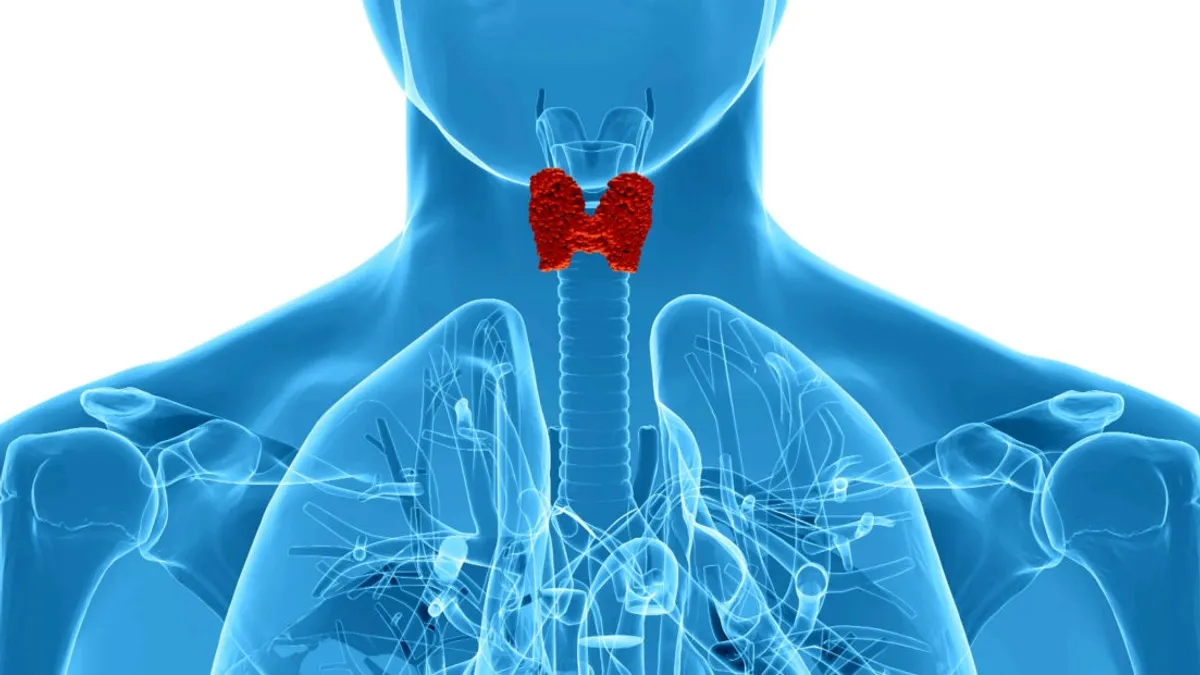
Hypothyroidism diet
Hypothyroidism, or an underactive thyroid, is usually the condition most often blamed for weight gain.
Hypothyroidism is a condition in which the thyroid gland does not produce enough thyroid hormone, which can affect the normal functioning of the body. The symptoms of hypothyroidism can vary depending on the severity of the condition, but the most common symptoms include…
-

Diet and amenorrhea
Amenorrhea is the absence or stopping of menstrual periods in women of reproductive age. There are several possible causes of amenorrhea, and diet can play an indirect role, but it is important to understand that diet itself is not always the main cause of amenorrhea. Rather, diet can contribute to amenorrhea through its impact on body weight, nutrient intake and hormonal balance.
-
Endometriosis diet
Endometriosis, first of all, hurts, and you shouldn't let anyone tell you it's normal for it to hurt this much.
Endometriosis is a gynecological condition in which tissue similar to the endometrium (the lining of the uterus) grows outside the uterus. This condition can cause a variety of symptoms, and diet can play a role in managing them.
-

Polycystic Ovary Syndrome diet
Polycystic ovary syndrome (PCOS) is an endocrine and metabolic condition that affects around 10% of women. Numerous studies have shown that a specific diet, tailored to each person with PCOS, can modulate the symptoms and, above all, can prevent the consequences of blood sugar imbalance.
-
Diet and autoimmune diseases
Autoimmune diseases are conditions in which the body's immune system mistakenly attacks healthy tissue, causing inflammation and damage.
There are more than 80 different autoimmune diseases, including lupus, Hashimoto's disease, rheumatoid arthritis, celiac disease and many others.
-
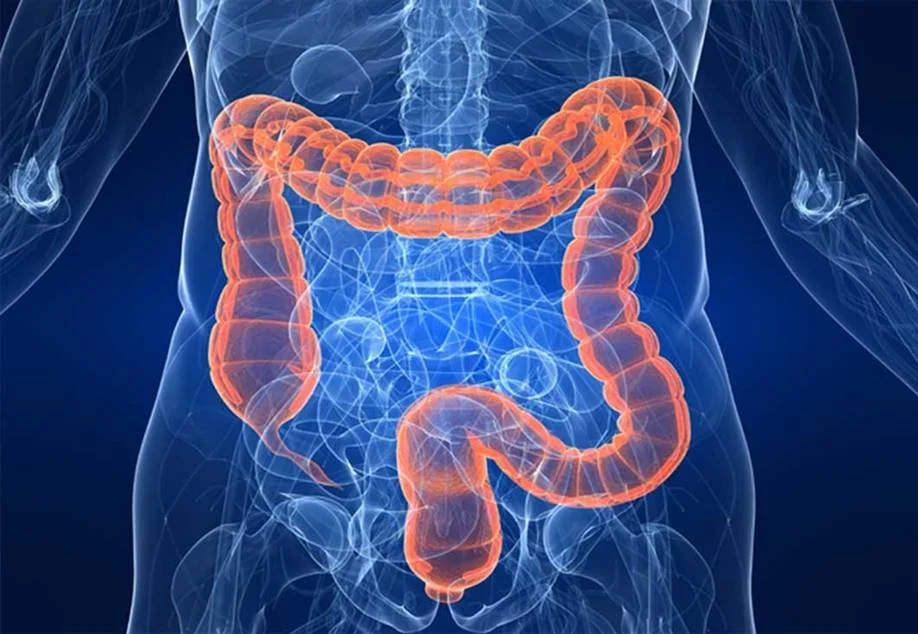
Diet and irritable bowel syndrome
Under the umbrella of irritable bowel syndrome, several imbalances of our whole system can come together, whether we are talking about irritability at the level of the colon, dysbiosis or a leaky gut.
Diet can play a significant role in managing irritable bowel syndrome (IBS) and in reducing its symptoms.
-

Celiac diet
Celiac disease is an autoimmune condition in which eating gluten, a protein found in wheat, barley and rye, damages the small intestine. A personalized celiac diet, which completely removes gluten, brings many benefits for the health and well-being of the people affected.
Here are some of these benefits: preventing intestinal damage, relieving symptoms, improving nutrient absorption, preventing long-term complications, improving quality of life, variety and flexibility…
-

Psoriasis diet
Psoriasis is a chronic skin condition that can be influenced by diet and lifestyle. Although diet cannot cure psoriasis, healthy eating can help manage the symptoms and improve the quality of life of the people affected.
It is important to remember that the response to diet can vary from person to person, and there is no universal diet for psoriasis.
-

Diet and eating disorders
Eating disorders, such as anorexia nervosa, bulimia nervosa and binge eating disorder, are serious conditions that affect a person's relationship with food and with their own body. An appropriate diet and nutritional support play an essential role in managing and treating these disorders. Here is how I can help you, as a nutritionist, in the treatment of eating disorders…
-
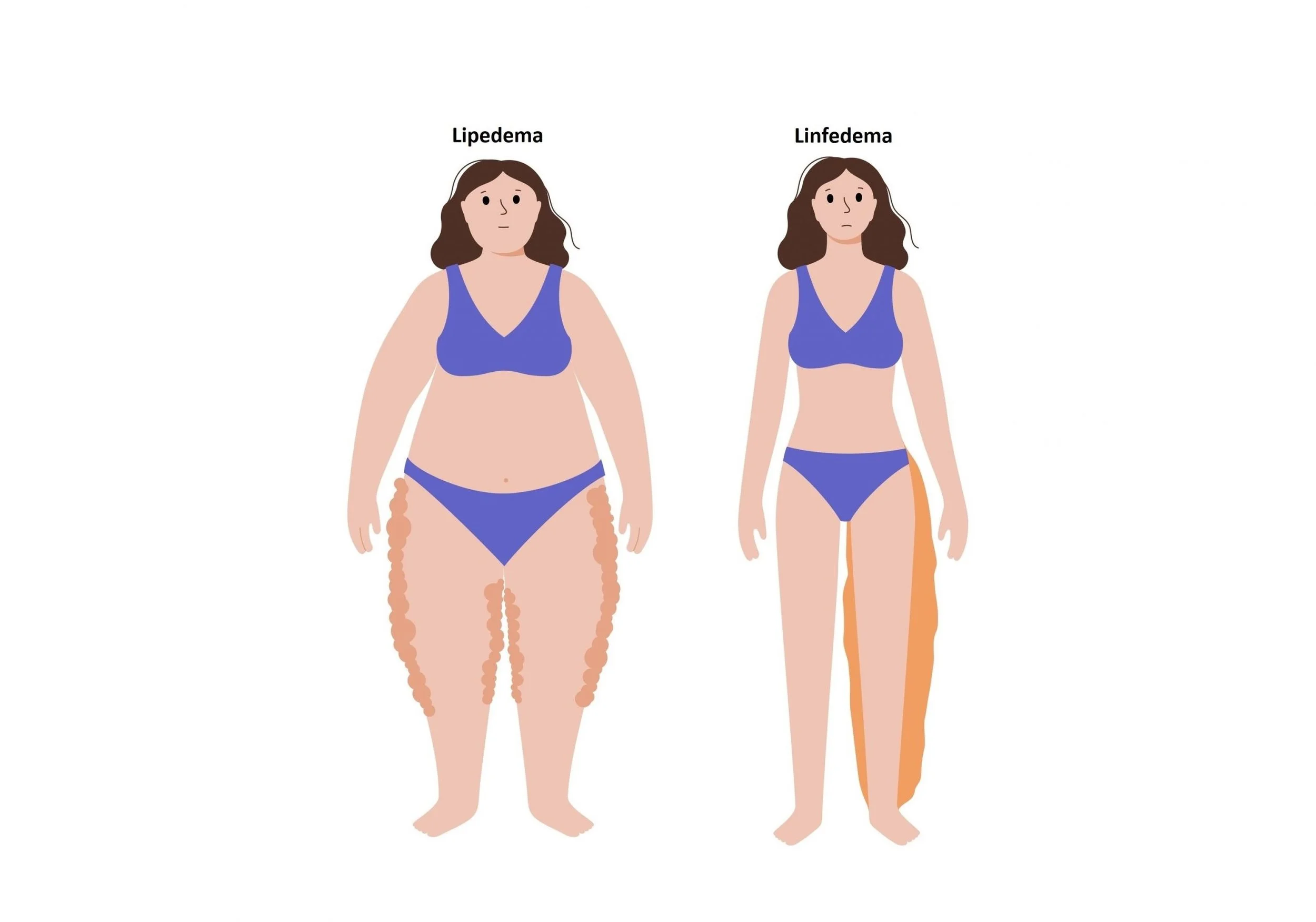
Diet and lymphedema
It's not your fault, it's not because you eat more, or because you don't move more, or because you don't do more to lose weight. Lymphedema is the main cause of your appearance and of your weight gain, but nutrition can help you a lot in managing this problem.
Lymphedema is a condition characterized by an excessive build-up of lymphatic fluid in the body's tissues, which can lead to swelling and discomfort.
-
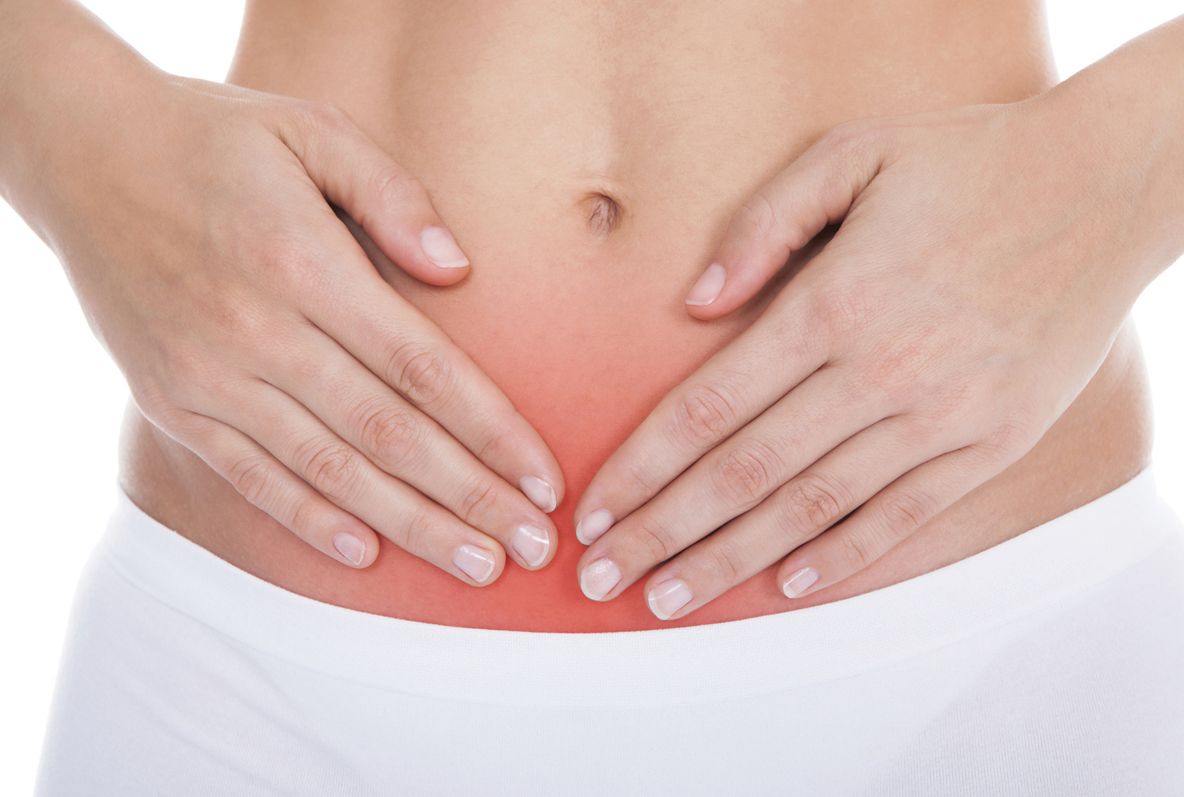
Anti-cystitis diet
Cystitis and urinary tract infections can be extremely unpleasant and uncomfortable. A personalized eating plan can help manage and prevent these problems. It is important to first have a nutritional assessment of your lifestyle in order to develop an eating plan that meets your individual needs, because every case can be different. That said, there are some general recommendations for a diet that can help manage cystitis and urinary tract infections…